
More Than a Meal: The Story Behind Our Thanksgiving Food Drive in October
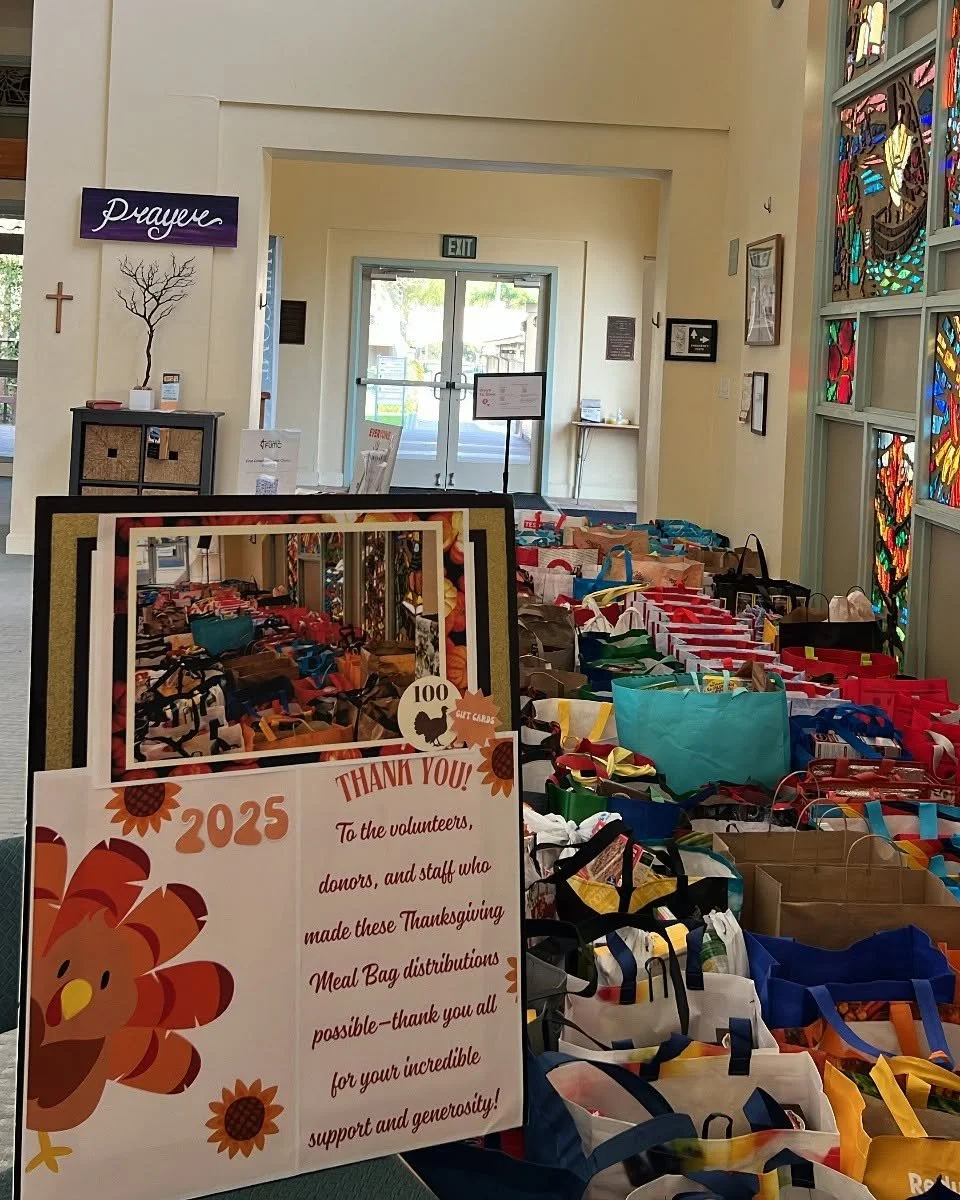
Every October, FUMCCV organizes a Thanksgiving Food Drive in which members of our congregation purchase items from our shopping list and bring them to church services. The shopping list includes 10 items, such as a $30 gift card for the purchase of a turkey, canned vegetables, and dessert ingredients.
All donated food goes to Chollas View UMC and Good Neighbor Center.
Chollas View UMC: This food pantry distributes food every Saturday morning, serving an average of 300 people per week. In addition to its weekly food distributions, the pantry organizes special distribution events, including one for Thanksgiving. They help ensure our food bags reach families with the greatest need by identifying recipients based on individual circumstances.
Good Neighbor Center: GNC provides food and creates opportunities for hope for underserved populations in San Diego. Food distributions take place on Tuesdays. Approximately 40% of last year's Thanksgiving food bags were distributed through GNC.
Through these donations, our congregation provides practical support to neighbors from diverse backgrounds, including historically underserved communities.
Thanksgiving is a time for gratitude, togetherness, and sharing meals with those we love. Yet, for many of our neighbors, financial challenges can make preparing a special holiday meal difficult. Through our Thanksgiving Food Drive, we have an opportunity to share our blessings, support local families, and strengthen our community.
Food Insecurity Is Closer Than We Think
Food insecurity means having limited or uncertain access to enough food because of insufficient financial or other resources. It affects people of different ages, backgrounds, and circumstances, including working families.
The numbers reveal the challenges facing our neighbors:
24,000 people: Approximately 24,000 Chula Vista residents, representing 8.75% of the population for whom poverty status was determined, lived below the poverty line in 2024. (Data USA, 2024)
1 in 8 people: Approximately 13.1% of San Diego County residents experienced food insecurity in 2024. (Feeding San Diego, 2026)
1 in 6 children: More than 123,000 children in San Diego County experienced food insecurity in 2024. (Feeding San Diego, 2026)
1 in 4 people: Approximately 25% of San Diego County residents were estimated to experience nutrition insecurity in 2026, meaning they lacked sufficient resources to consistently obtain nutritious meals (San Diego Hunger Coalition, 2026).
These numbers remind us that poverty and food insecurity are not distant problems. They affect people living in our own neighborhoods. Even people who have enough food to eat may struggle to access nutritious food, a challenge known as nutrition insecurity.
How Much Money Do People Living in Poverty Have?
The U.S. Census Bureau establishes poverty thresholds based on family size and composition.
For 2024, the annual poverty thresholds included:
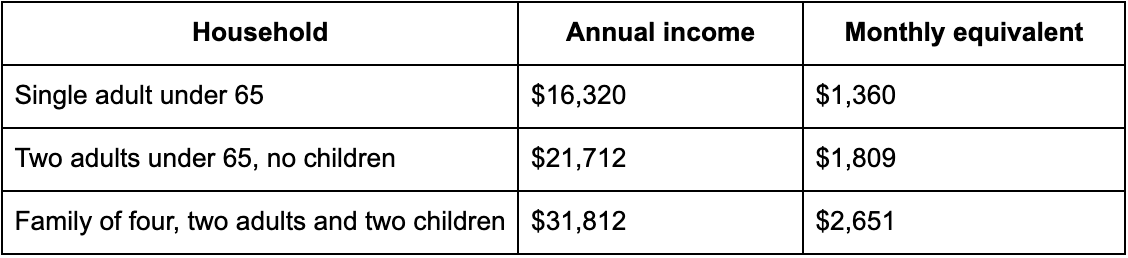
These figures represent annual income before taxes, not the amount left after paying living expenses.(U.S. Census Bureau, n.d.)
For a family of four with two adults and two children, the poverty threshold was just $31,812 per year, or approximately $2,651 per month before taxes. Imagine trying to cover rent, groceries, transportation, healthcare, utilities, and children's needs on such a limited budget.
For households facing these circumstances, everyday life can involve difficult financial choices. Preparing a special Thanksgiving meal may be a financial burden rather than a simple holiday tradition.
Importantly, food insecurity is not limited to people living below the poverty line.
Poverty is measured by income relative to an established threshold, while food insecurity refers to limited or uncertain access to adequate food because of insufficient resources.
For example, a family of four earning $45,000 annually would be above the official poverty threshold. However, in a high-cost area like San Diego County, that income may still be insufficient to comfortably cover housing, childcare, transportation, groceries, and other necessities.
In other words, living above the poverty line does not necessarily mean having enough money to meet everyday needs.
Working Hard Doesn't Always Mean Having Enough
Our neighbors may be working hard and still need a helping hand.
According to the U.S. Department of Agriculture, 56% of food-insecure U.S. households had at least one adult working full time in 2023 (USDA Economic Research Service, 2024). Having a job does not always guarantee financial stability.
Food insecurity also affects military service members and their families. More than 115,000 active-duty service members currently call San Diego home, and over 1.2 million San Diegans—37% of the region’s population—have direct ties to the military (San Diego Military Advisory Council [SDMAC], 2023)). Yet, military service does not protect families from financial hardship. In 2020, nearly one in four (24%) active-duty service members experienced food insecurity (Feeding America, 2022).
However, the risk of food insecurity is not evenly distributed among military families. Food insecurity is more common among younger and lower-ranking service members and those with children. Racial and ethnic disparities are also significant. In 2020, active-duty families of color reported experiencing food insecurity at twice the rate of White, non-Hispanic military families (Feeding America, 2022).
These facts challenge the misconception that food insecurity primarily affects people who do not work. Having a job does not always guarantee financial stability, especially in communities with high living costs.
So why do some of our neighbors struggle to afford adequate food despite their efforts?
Why Food Insecurity Happens
Food insecurity can affect people for many reasons, including high living costs, unstable employment, health challenges, and unequal economic opportunities. Understanding these circumstances helps us recognize why some of our neighbors struggle to afford adequate food despite their efforts.
1. Working Families Facing High Living Costs
Imagine a family with two working parents raising two children in San Diego County. Even with both parents employed, they must cover rent, groceries, utilities, transportation, healthcare, and childcare. When rent takes up a large portion of their income, little may remain for groceries and other necessities. An unexpected car repair, medical bills, or tuition for children can make their financial situation even more difficult.
For some families, having a job is simply not enough to keep up with the cost of living.
2. Workers With Unstable Income
Not everyone receives a steady paycheck. People working in restaurants, retail stores, hospitality, or other hourly jobs may have changing schedules and unpredictable working hours. When their working hours are reduced, their income can decrease even though rent and other essential expenses remain the same.
For these households, even a temporary reduction in income can make purchasing enough food difficult.
3. People Who Cannot Work or Face Employment Barriers
Some of our neighbors face circumstances that make working difficult or impossible. Older adults may rely on limited retirement income. People with disabilities or serious health conditions may be unable to maintain regular employment. Others provide unpaid care for young children, older relatives, or family members with disabilities.
These circumstances can limit employment opportunities while increasing household expenses.
4. Poverty Can Continue Across Generations
Not everyone begins life with the same financial resources and opportunities.
Research by The Pew Charitable Trusts (2012) found that close to half of Americans who grew up in families within the lowest 20% of the income distribution remained in that group as adults. Only 4% reached the highest 20% of the income distribution. More recent research reinforces the importance of childhood circumstances. Dearing et al. (2024) found that access to opportunities throughout childhood was associated with educational attainment and earnings in adulthood. Similarly, Schechtl (2025) found that growing up in areas with greater wealth inequality was associated with lower upward income mobility.
Growing up in a low-income household can mean facing barriers to education, financial stability, and future employment opportunities. Meanwhile, families with greater financial resources may be better able to provide educational opportunities, savings, and financial assistance to their children as they begin their adult lives.
These differences can influence future earning potential and financial stability, allowing economic advantages and disadvantages to persist across generations. Poverty and food insecurity are not simply a matter of individual effort. Family circumstances and unequal opportunities can influence economic well-being across generations.
Food Insecurity Affects More Than Hunger
Food insecurity is not just about missing meals. It can affect physical health, mental well-being, and children's development, making it an important public health and social justice concern. (San Diego Hunger Coalition, n.d.)
Physical Health and Nutrition
Limited access to adequate food can make it difficult to maintain a nutritious, balanced diet. Research has also linked food insecurity to higher rates of chronic conditions such as diabetes, hypertension, and heart disease among adults.
Mental Health and Emotional Well-Being
Uncertainty about having enough food can create ongoing stress and anxiety. Studies have found associations between food insecurity and mental health challenges, including depression and anxiety, particularly among vulnerable populations.
Children's Growth, Development, and Education
Children experiencing food insecurity may face additional challenges in their physical growth, emotional well-being, and learning. Research has linked food insecurity to developmental difficulties, behavioral problems, lower academic achievement, and increased risk of depression among children and adolescents.
Access to adequate food is about more than preventing hunger. It helps support health, well-being, and opportunities for people of all ages to thrive.
More Than Food: Why Your Thanksgiving Gift Matters
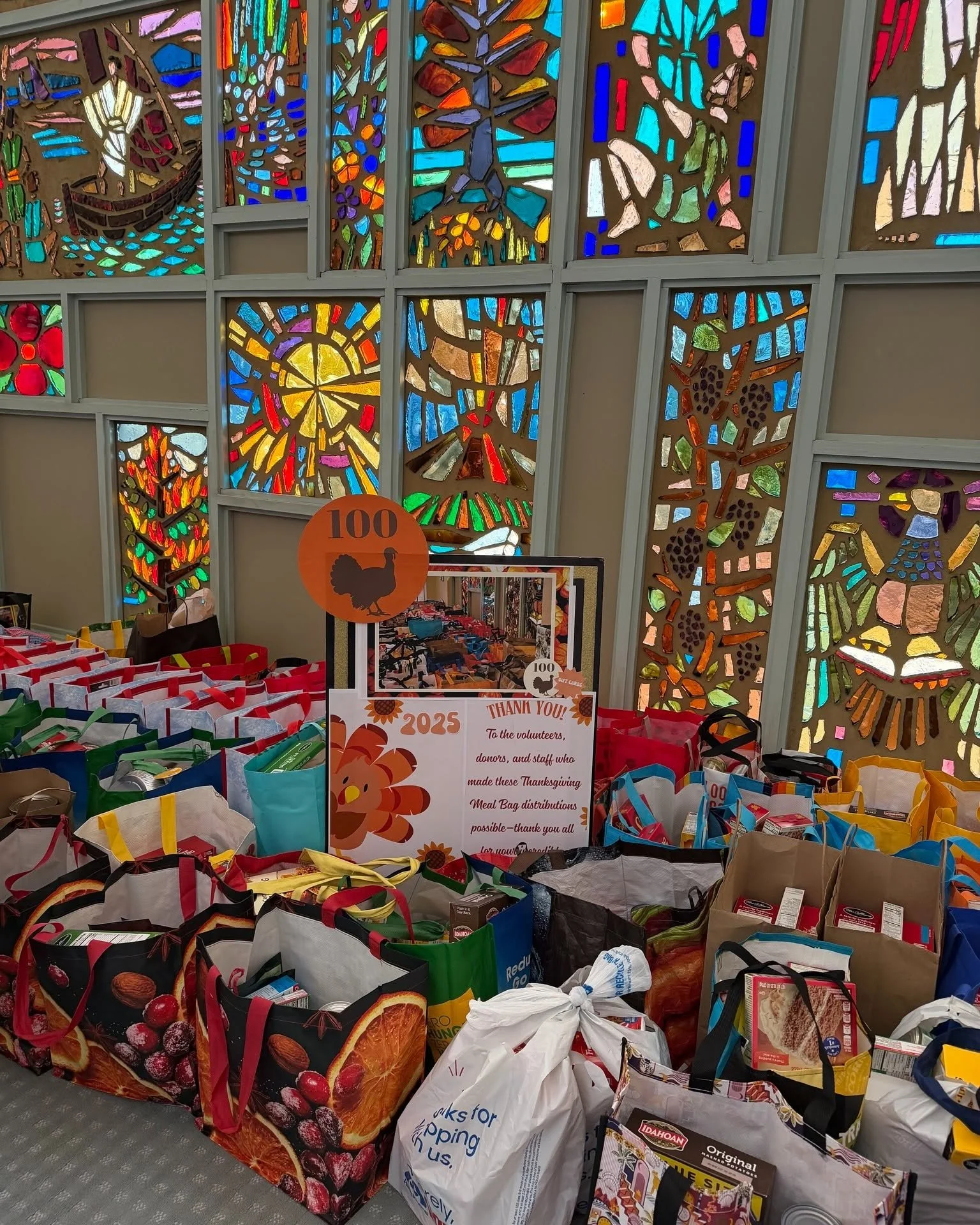
A Thanksgiving food donation can provide much more than ingredients for a holiday meal.
1. Eases Financial Burdens: Providing Thanksgiving food helps families reduce grocery expenses, leaving more of their limited resources for other essential needs.
2. Brings Families Together: A Thanksgiving meal is more than food. It creates an opportunity for families and loved ones to gather, celebrate, and share meaningful moments.
3. Promotes Dignity and Inclusion: Everyone deserves the opportunity to participate in holiday traditions and enjoy a special meal with those they love.
4. Puts Faith Into Action: Giving allows us to turn compassion into action, care for our neighbors, and strengthen our community together.
Although one Thanksgiving food bag cannot eliminate food insecurity, it can ease an immediate burden and remind our neighbors that they are part of a caring community.
Our Community's Impact: 2025–2026
Your generosity makes a difference.
Thanks to the generosity of our congregation and community partners, our Thanksgiving Food Drive has helped provide holiday food to local households.
Looking Back at 2025
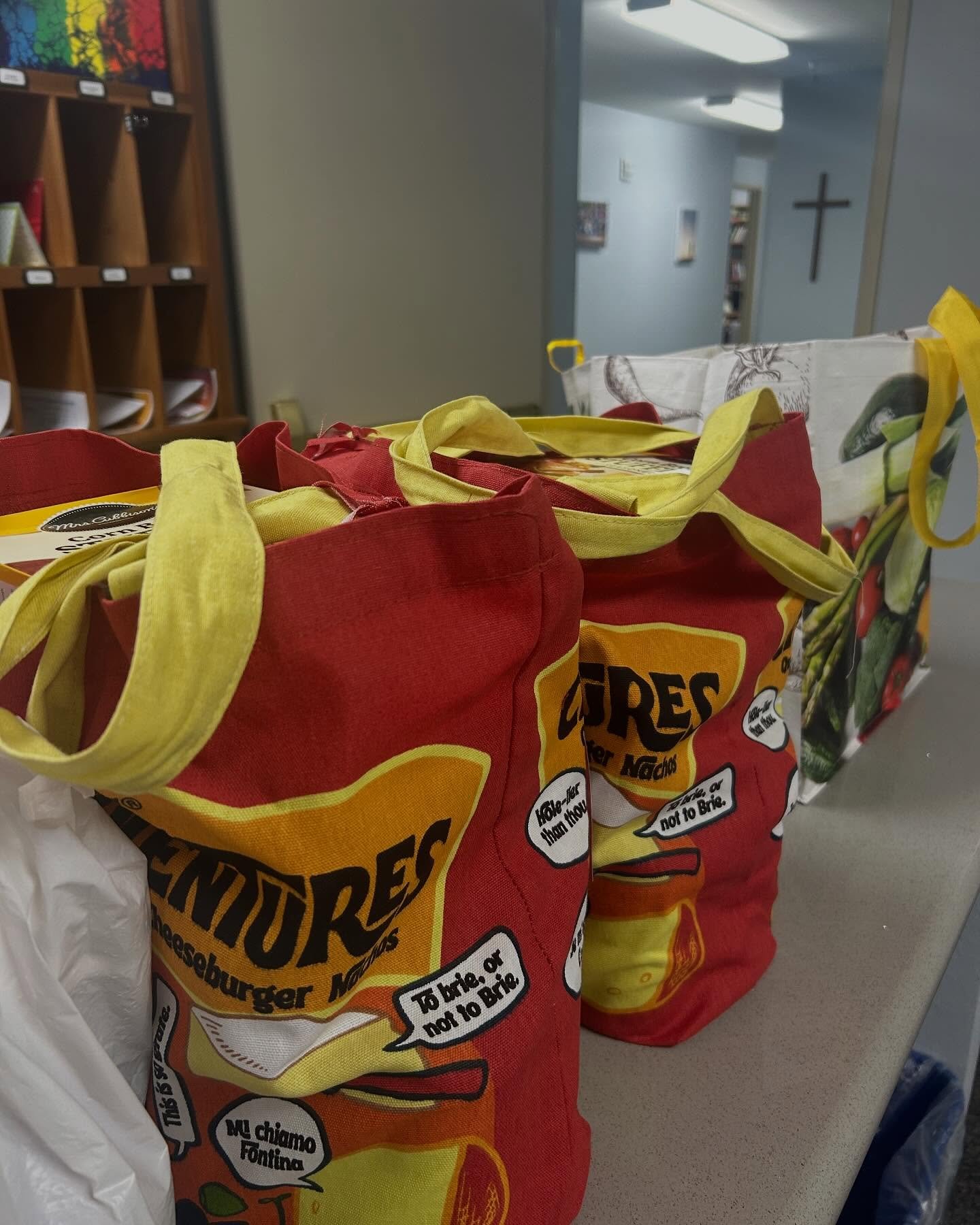
In 2025, we collected 103 bags of food to support families experiencing food insecurity. We also received a thank-you letter from Chollas View UMC, one of our community partners.
The letter reminds us that every donation represents more than food. It represents kindness, community connection, and an opportunity for families to enjoy Thanksgiving together.
Continuing Our Mission in 2026
Through the continued generosity of our congregation, we can build on the impact of previous years and continue supporting neighbors experiencing food insecurity.
Together, We Can Make Thanksgiving Warmer
Food insecurity cannot be solved through a single holiday campaign. However, every act of generosity contributes to a community where neighbors care for one another.
Compassion becomes meaningful when we put it into action.
Together, let's continue sharing our blessings, supporting our neighbors, and making Thanksgiving a time of warmth, dignity, and togetherness for more families.